What Is A Low-Voltage Wiring Plan? (And Why You Need One)
An expertly crafted, luxury smart home can almost feel like a living companion, quietly observing and responding to your needs as the day goes on. This companion’s ‘thoughts’ take place in its smart home controller. But to ensure those thoughts turn into desired actions, it needs a nervous system: a physical network that connects and powers all its parts, keeping them working seamlessly together. In other words, it needs a well-crafted low-voltage wiring plan.
Key Concept: In a luxury estate, "wireless" is a luxury for the user, but "wired" is the requirement for the infrastructure.

What Exactly Is Included in a Low-Voltage Wiring Plan?
If you try to rely on consumer-grade Wi-Fi to handle all of your 4K streaming, security cameras, and lighting control simultaneously, your home’s performance will suffer. Pre-planned low-voltage wiring is a more sustainable way to power all of these devices, and it ensures your experience lives up to the standard of luxury you paid for. But what’s included in that plan?
Different types of low-voltage cabling are used for different systems, and the ones you’ll need will depend on the specific smart home features you’ll be installing in your home.
Cat6 & 6A cables and fiber optic cables are used to create lightning-fast, dedicated pathways between your controller and your devices, including:
Cat6A is considered the gold standard for internal smart home cabling, while fiber is preferred for connecting outbuildings with the main house.
Cat6A and fiber are also used to transmit ultra-high-definition (UHD) and zero-latency video, while live feeds and cable television are typically routed through coaxial cables. To round out the AV setup, speaker wire can be used to connect and power whole-home audio systems, as well as to connect intercoms.
Ultimately, all of these wires come together at the ‘head-end’. This is a structured wiring panel or equipment rack that houses the termination points, ideally located in a dedicated rack room.
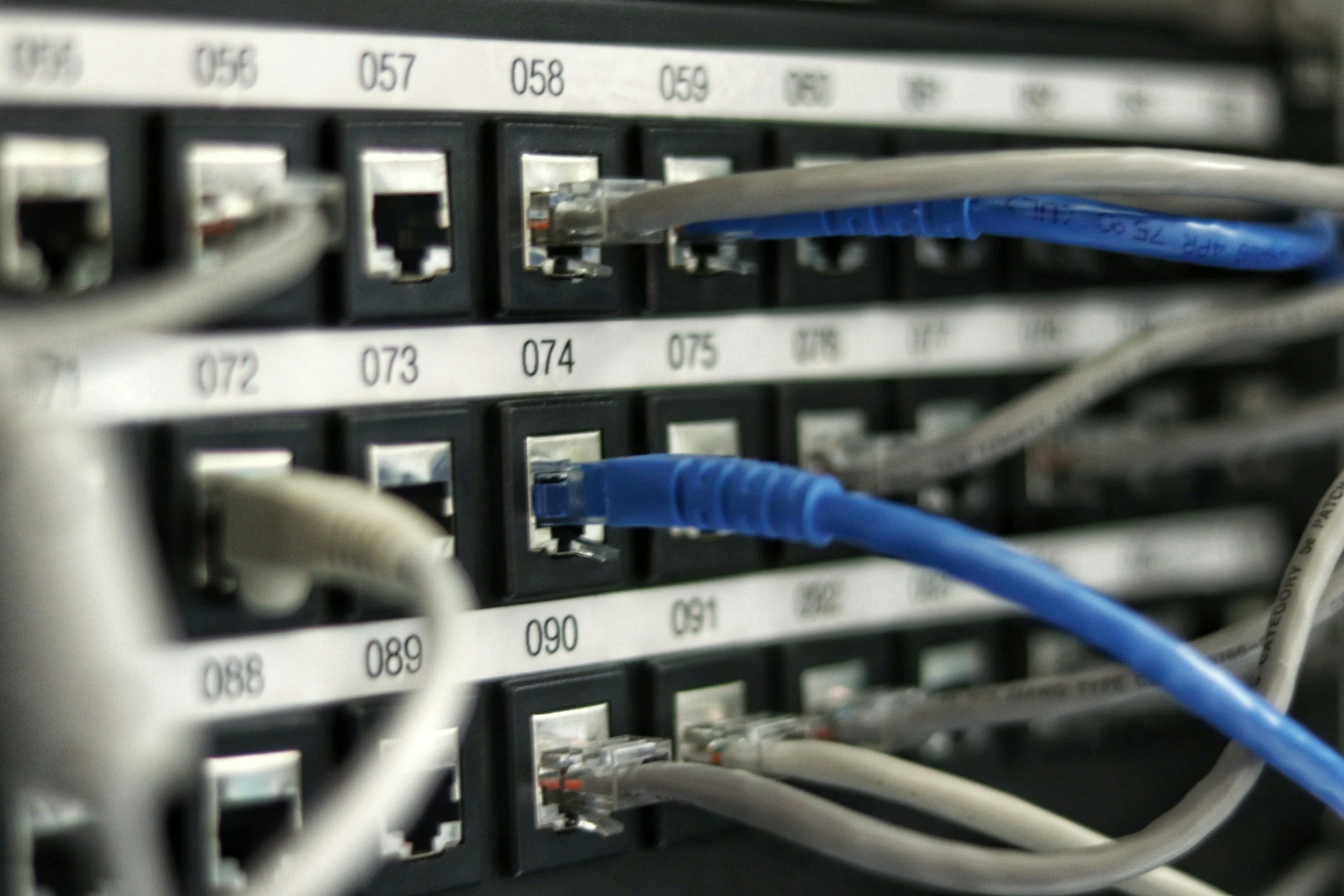
Signal Integrity and Professional Engineering
As with all types of electrical work, hiring an expert is the best way to ensure your wiring works as intended right from the get-go. A professional low-voltage electrician can engineer a system for you that avoids potential ‘noise’ and glitches caused by high-voltage lines. They will also ensure your equipment rack, which can easily represent a $50,000+ investment, has the right cooling infrastructure to prevent overheating. Finally, the plans they develop and implement will be fully documented in a PDF map that will be used during construction, and that stays with the home, adding significant resale value.
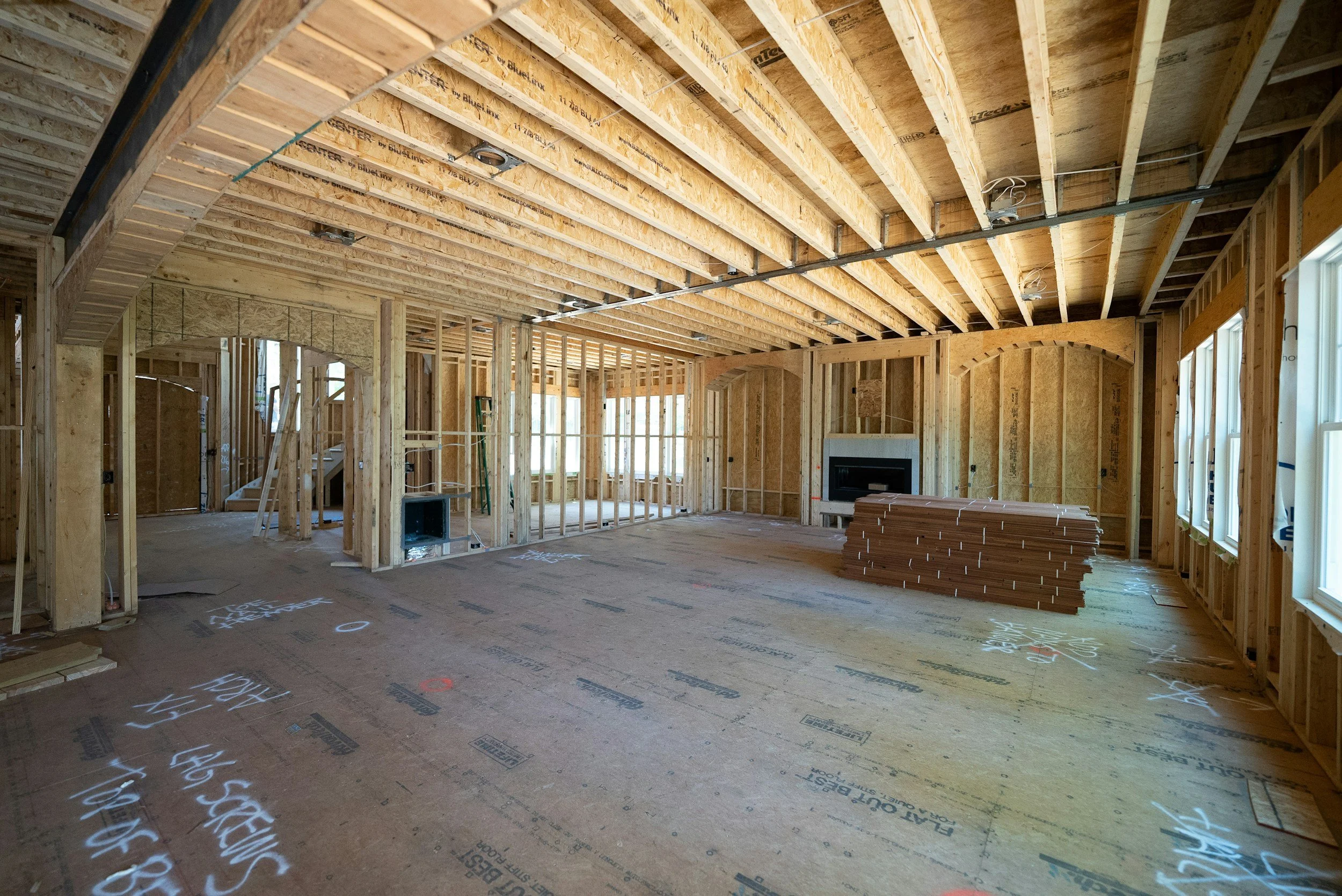
Critical Timing: The "Open Stud" Phase
For optimal results, a low-voltage wiring plan must be finalized before the electrician starts and before insulation is installed. Establishing this blueprint ASAP ensures all work can be completed during the ‘open stud’ phase of construction, preventing cables from drywall damage and avoiding any unnecessary obstructions. You may even want to consider adding empty ‘conduit run’ pipes in the walls at the same time. This will allow you to easily pull through the necessary wiring for any future technology that you want to incorporate.
Remodels vs. New Construction
If the open stud window has passed, fortunately, it is still possible to retrofit low-voltage wiring into your home. However, it requires re-opening the walls if you want to achieve a top-of-the-line result with no visible wires. The extensive drywall repairs and additional labor needed for this process make the cost of retrofitting significantly higher, as much as five to ten times more than laying it in early.
The Foundation of Modern Living
If you’re going to build a modern, high-tech home, don’t rely on 1990 infrastructure. Contact Architechne to design a custom low-voltage wiring plan for your home today, and create a space that’s as smart as it is beautiful.